 Dragonfly Delivery
GTA & Ontario Courier Support
Dragonfly Delivery
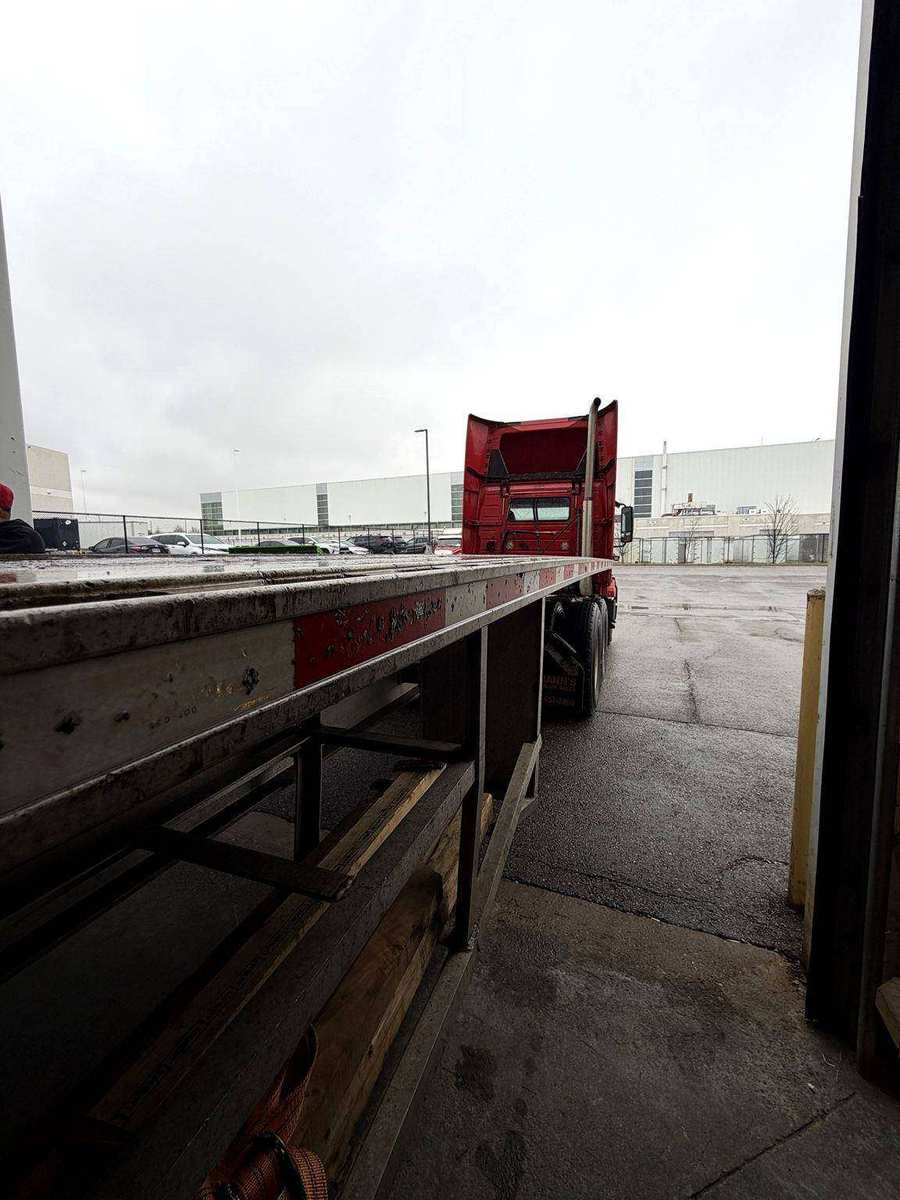
Finding a reliable freight carrier in Toronto is not as simple as taking the cheapest rate. The GTA has dozens of options ranging from professional dedicated operators to informal arrangements that take on more than they can handle. Knowing how to evaluate a carrier before the first job — and what questions to ask — saves money, time, and client relationships.
A carrier who is ten percent cheaper and delivers late, communicates poorly, and provides no documentation is more expensive than one who costs more and executes flawlessly. The real cost of an unreliable carrier is not the freight invoice — it is the damaged client relationship, the job site crew waiting half a day, and the re-delivery fees on a failed shipment. Price is one factor. It should not be the primary filter.
Ask specific operational questions and observe how the carrier responds. Do you have a tailgate — and is it available for this specific job? What vehicle will be dispatched? Do you provide a Bill of Lading and signed Proof of Delivery on every job? What is the all-in price including all surcharges? Can I reach the driver or dispatcher directly during the run? What happens if there is a problem at pickup or delivery? Carriers who answer these questions clearly and directly are demonstrating operational competence. Carriers who hedge or deflect are signalling uncertainty about their own capabilities.
Pricing that changes between the quote and the invoice. Inability to confirm vehicle type or equipment before dispatch. No business registration or HST number when requested. Slow or no communication during the run. Resistance to providing BOL or POD documentation after delivery. Any carrier who is defensive about these basic operational questions has something to hide.
The most reliable freight outcomes come from established carrier relationships, not rate shopping on every shipment. A carrier who knows your standard routes, freight types, access requirements, and clients executes better than one starting from scratch on every job. The setup takes one conversation. The compounding benefit over months of consistent freight — faster dispatch, more accurate timing, fewer problems, better pricing — is significant. The right question is not who is cheapest today but who will still be reliable six months from now.
Evaluate the first job on five dimensions: Did they confirm all details before dispatch? Did they communicate proactively during the run? Did they arrive within the committed window? Did the freight arrive in the same condition it left? Did they provide complete documentation without being prompted? Five out of five means a second job and the beginning of a real relationship. A failure on any of these rarely improves on the second job.
Dragonfly Delivery provides dedicated freight and courier service across the GTA and Ontario. BOL and POD on every job, direct communication, all-in flat-rate pricing.
Submit a Dispatch Request →For commercial freight with any significant value, verify the carrier operates as a registered business. In Ontario this means a business registration number and an HST number. Ask for a sample invoice format before the first job — a professional invoice with proper HST line items confirms the carrier is operating legitimately and will provide documentation your accounting team can use. Cargo insurance is another legitimacy marker. Not every small carrier carries full cargo insurance, particularly for high-value goods, and this needs to be confirmed before shipping anything that would create meaningful financial exposure if damaged or lost in transit.
The best carrier relationships are not transactional — they are operational partnerships. A carrier who understands your business, knows your clients, and can anticipate your freight needs is worth more than one who is marginally cheaper on any single invoice. Invest the time to find the right carrier, evaluate them fairly on the first job, and build the relationship if they perform. That investment pays back on every subsequent shipment through faster dispatch, fewer problems, and pricing that reflects the value of the ongoing relationship rather than the spot market on each individual run.