 Dragonfly Delivery
GTA & Ontario Courier Support
Dragonfly Delivery
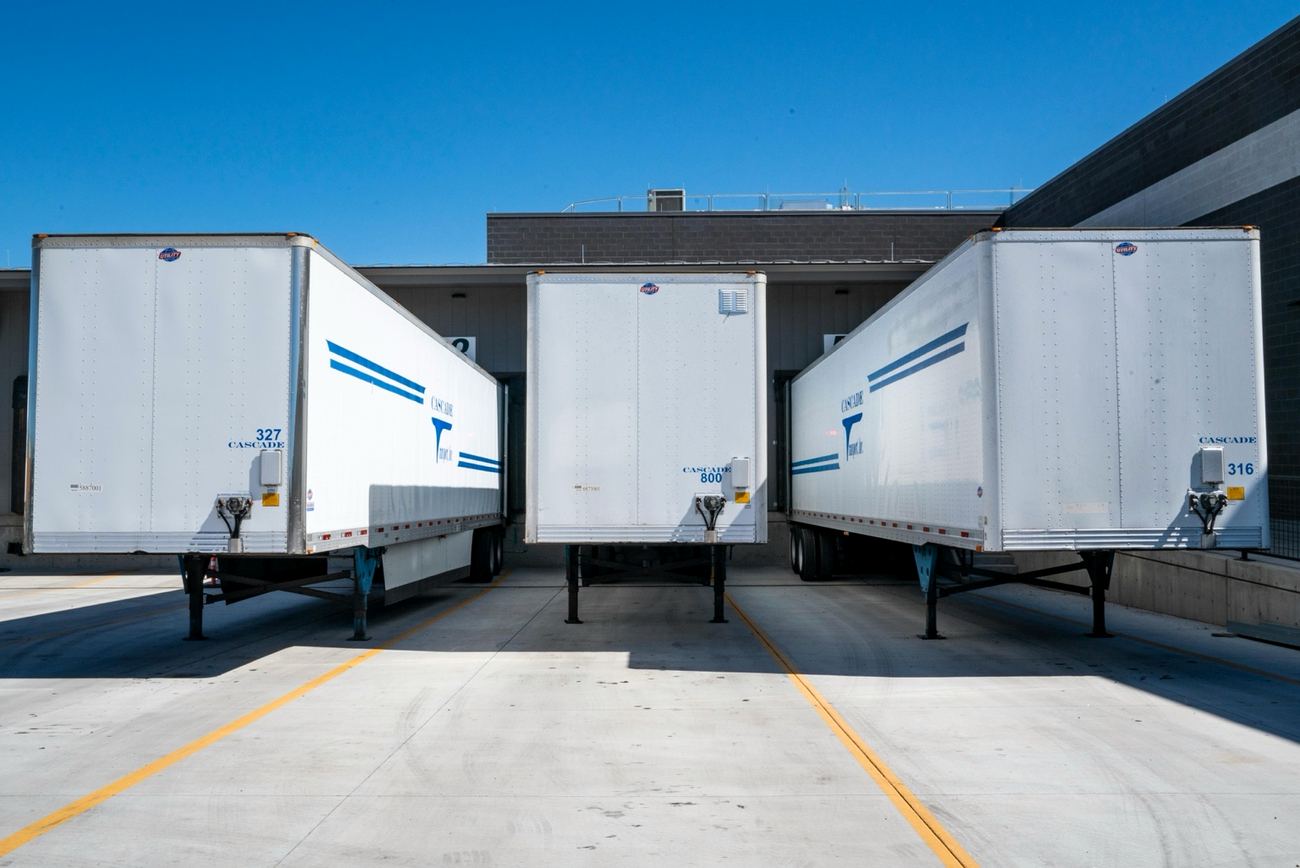
Pallet preparation is one of the most controllable factors in freight delivery success and one of the most commonly neglected. A properly prepared pallet arrives in the same condition it left. An improperly prepared one risks damage and may be refused at pickup if the carrier determines it is not transport-ready.
The pallet is the foundation. A cracked or broken board is a structural failure waiting to happen — at the tailgate, during transit when the load shifts, or at the delivery location when the pallet jack moves it. Check that all deck boards are intact and that the pallet supports the intended load weight without flex. Standard wooden pallets rated for 2,500 pounds are the correct base for most commercial freight. Damaged pallets from the receiving dock are not suitable for outbound freight regardless of how they look from the top.
Heavy items go on the bottom. Lighter, fragile items go on top. Keep the load within the pallet footprint where possible — overhang creates contact risk with adjacent loads, rack systems at the pickup facility, and the truck wall during transit. If freight necessarily overhangs, secure it with additional banding and flag it at intake so the carrier can plan load placement accordingly.
Apply stretch wrap starting at the base of the pallet — wrapping the bottom layer of freight to the pallet itself — then work upward in overlapping bands. The most common error is wrapping only the middle and top while leaving the base unwrapped, which allows the entire load to slide off on a hard stop. For heavy or high-value loads, banding through the pallet deck significantly reduces movement risk. For fragile items, corner guards between the freight and the stretch wrap prevent the wrap tension from damaging edges.
Porcelain tile, stone countertops, bathroom fixtures, glass components, and finished wood surfaces require internal packaging in addition to outer stretch wrap. Foam corner protection, blanket wrapping, and internal padding immobilize the item within its box and absorb the vibration and minor impacts unavoidable in road freight. Mark outer packaging with fragility indicators — not as a reminder to be careful, but as a visual cue that influences how the carrier positions the load in the truck.
Label every pallet with the delivery address, receiver name, and direct contact number on at least two sides. For multi-pallet shipments, number each pallet so incomplete deliveries are immediately identifiable. Have freight ready and accessible at the confirmed pickup time. The pickup contact should be available to sign the BOL. Freight not ready at the confirmed time creates wait-time charges and may make on-time delivery impossible for same-day jobs.
Dragonfly Delivery handles palletized freight with a tailgate-equipped 20-foot box truck across the GTA and Ontario.
Get a Pallet Delivery Quote →Preparation does not end at the pallet — it extends to the information you provide at booking. Any special handling requirements that affect how the carrier loads, secures, or offloads your freight need to be communicated at intake, not discovered on arrival. Fragile surfaces that cannot be contacted by other freight. Stacking restrictions on certain boxes. Temperature sensitivity during transit. Items that must remain upright throughout the run. These requirements affect vehicle loading decisions and route planning. A carrier who knows them in advance can accommodate them. A carrier who discovers them on delivery day cannot always recover.
The downstream cost of improperly prepared freight consistently exceeds the time saved by rushing the packaging process. A damaged pallet of porcelain tile requires a replacement order, a second delivery booking, a claims process with the carrier, and potentially a delayed renovation project with a crew waiting on materials. That chain of costs — in money, time, and client relationship damage — starts with five minutes of inadequate pallet preparation at the origin. The standard is simple: if it is not ready to survive the run, it is not ready to ship.